







Lord Shiva Dhyan Mudra
Lord Shiva Dhyan Mudra : In the much wider Hinduism, Lord Shiva stands as a pillar of mystery and profound peace. His painting in the pose of meditation is not merely artistic but symbolically a synthesis of deep spiritual meanings and universal principles. This portrayal of Shiva in deep contemplation transcends the limitations of mere imagination and invites us into a world where divine peace and cosmic dynamics are fused. Through the lens of spirituality, mythology and cosmic convention, we explore the multifaceted nature of Lord Shiva in the Dhyana Mudra.
Known as Mahadeva (the greatest of gods), Shiva is the embodiment of the supreme ascetic and yogi. Sitting in the lotus posture (Padmasana), with his eyes half-closed in meditation, Shiva in Dhyana Mudra is the epitome of a calm saint and concentrated meditation. This seal reflects His character as a destroyer of doubt and a harbinger of truth, guiding the universe to liberation (moksha).
Symbol of the blue skin of Shiva
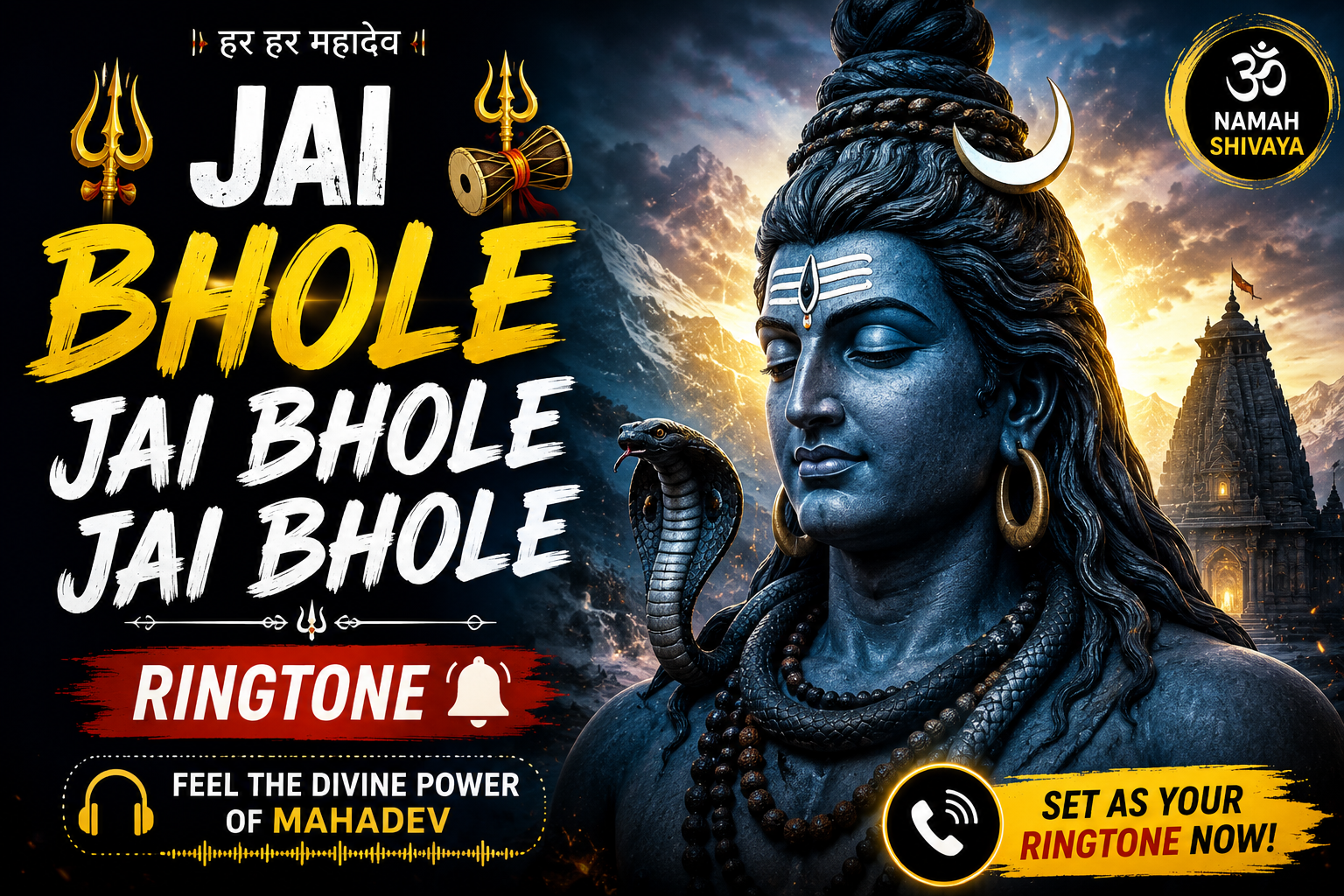
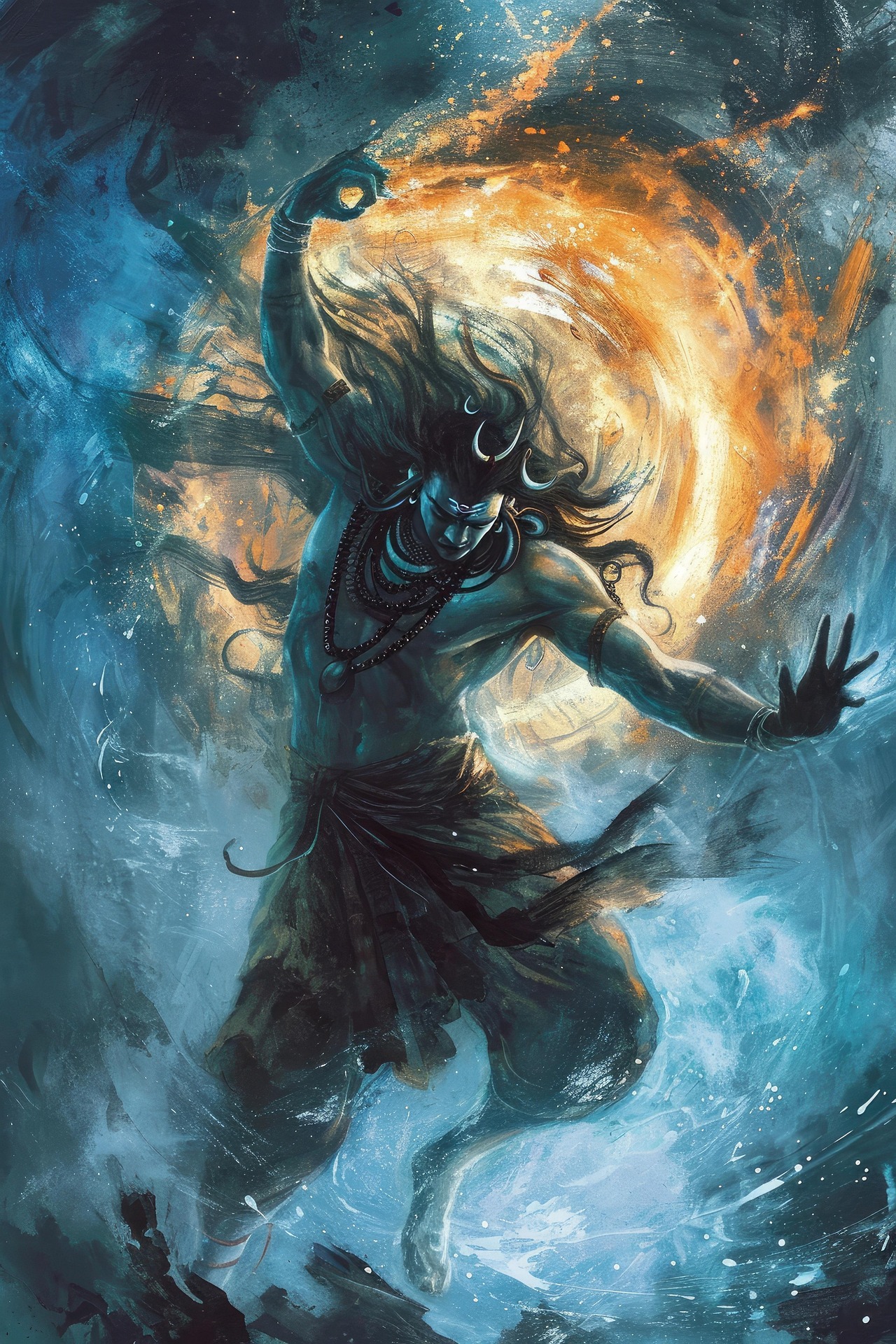
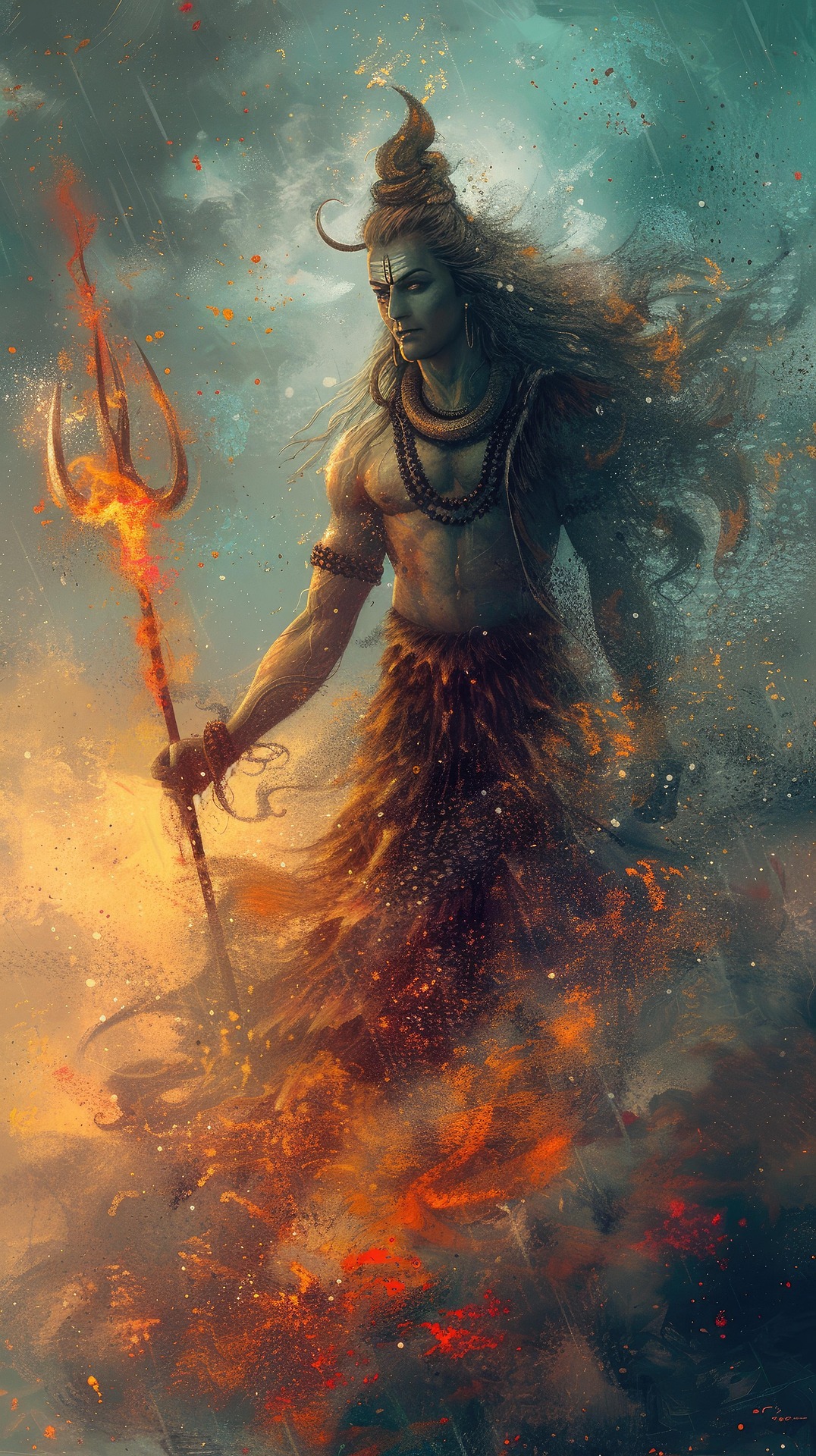
The ethereal blue complexion of Shiva is not only a symbol of his divine nature but also a symbol of his omnipresent nature, which is as wide as the sky and as deep as the ocean. It represents infinite consciousness and its role as an infinite reality covering the entire world.
The Crescent Moon is the Ganges
The crescent moon symbolizes the cycle of time, and the Ganges flowing from her hair represents purity and the sanctity of life. These elements emphasize Shiva’s association with the cycles of nature and his role in the purification and rebirth of the universe.
The Trident is a symbol of power
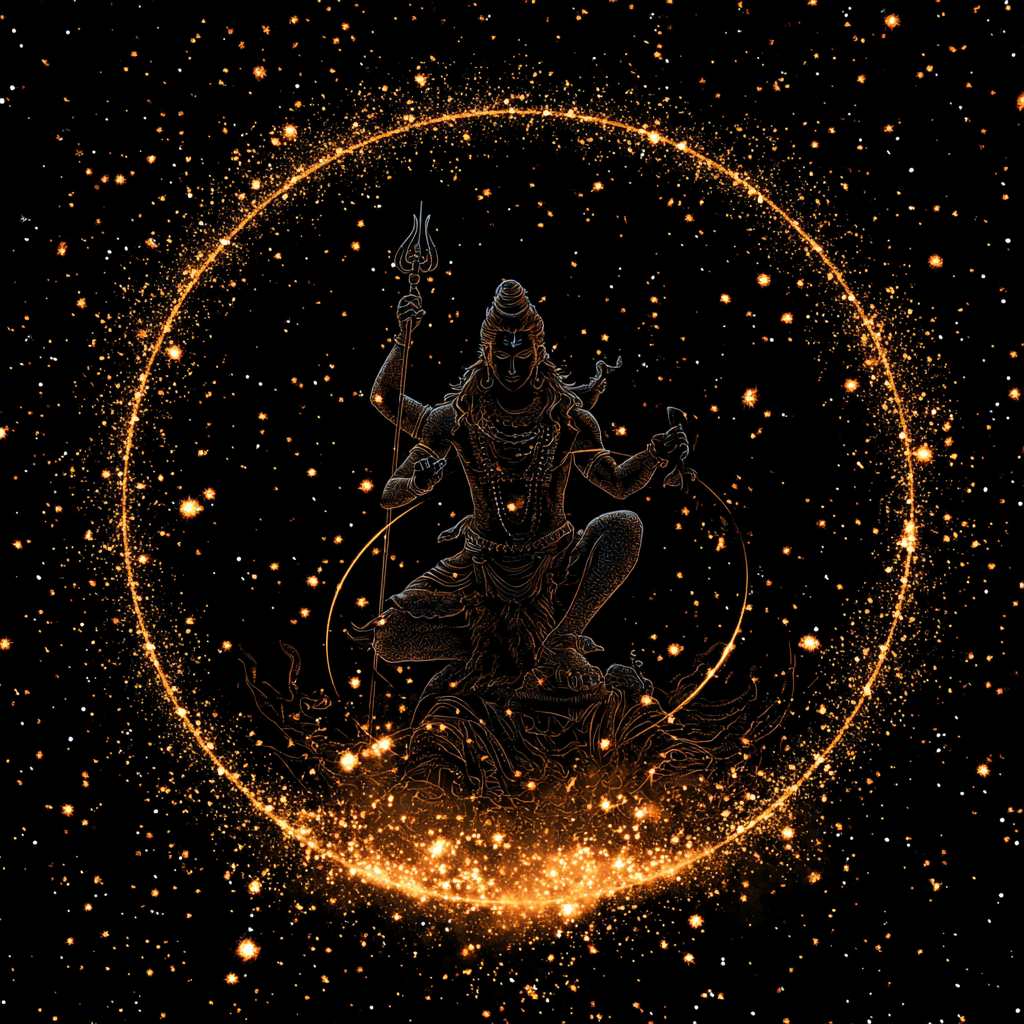
Shiva's trident or trident represents the three major elements of life: creation, preservation and destruction, reflecting the cyclical nature of the universe and reminding one of the power to transcend the material realm, destroying illusions of ego to reveal his true nature.
The dance of the universe is the abode of Shiva in the universe
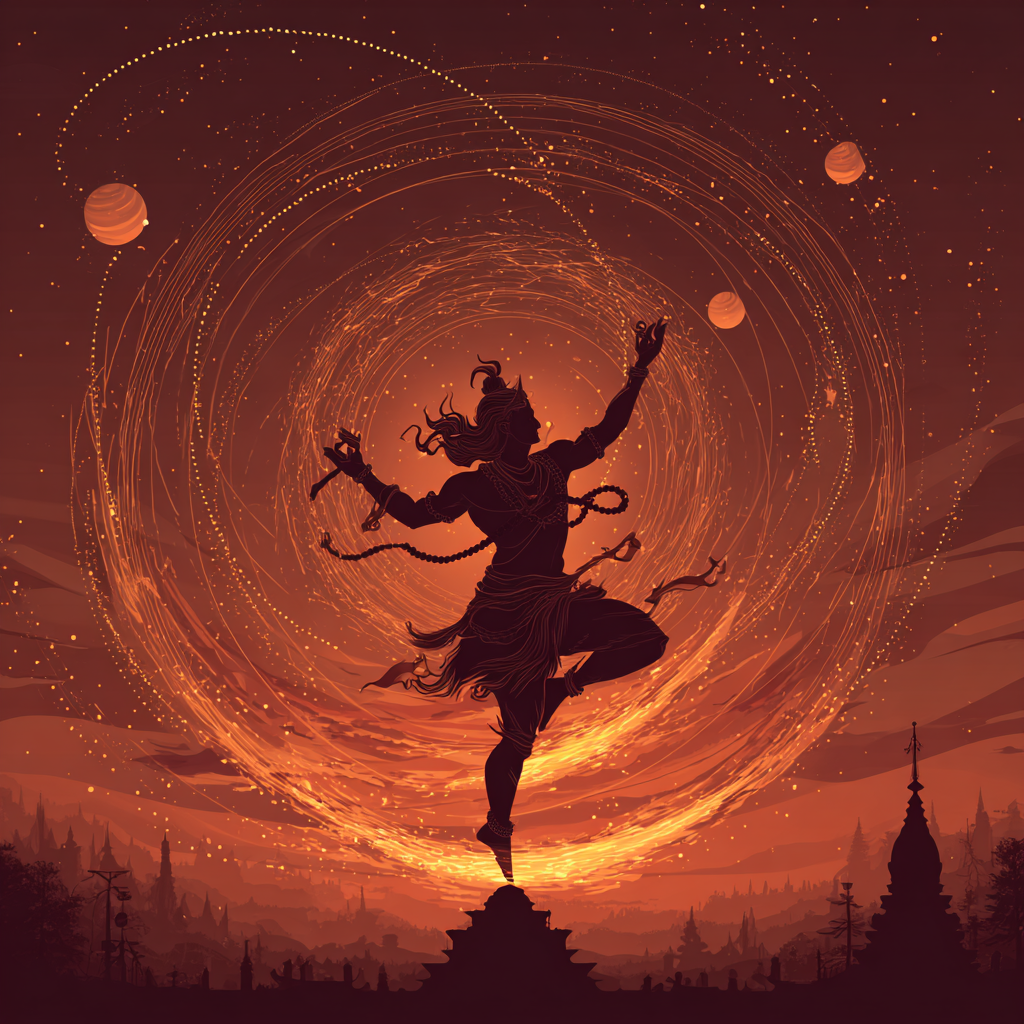
The mysterious background with swirling clouds and swirling flames surrounding Shiva in reflection suggests that he lived in the ethereal realm. This scene is a potent blend of spirituality and mythology, reflecting his role as master of dance (Nataraja), who prepares to destroy the weary universe and create anew
Shiva Dhyana Mudra: The Path to Enlightenment
Shiva Dhyana Mudra is not only a symbol of divine tranquility but also a guiding pillar of humanity’s spiritual journey. It symbolizes the path of enlightenment achieved through deep meditation and the destruction of the ego. This meditative state invites devotees to explore the depths of their being, to discover the ultimate truth that lies within.
Silent Confessions: Imagination of the Divine
The gentle manifestation of Shiva during meditation is a testament to the peace that comes from being one with the universe. It teaches us the value of inner peace and the strength of a deep, unwavering state of focus.
Lord Shiva and the Himalayas
Shiva is often depicted with the Himalayas in the background, symbolizing his asceticism and returning from the material world to the realm of spiritual practices The majestic standing mountains reflect the majesty of Shiva as a power representing spiritual ascension.
The spiritual essence of meditation
In Dhyana Mudra, Shiva embodies the ultimate goal of yoga and meditation — to achieve a state of pure consciousness free of duality. This mudra is a profound reminder of the power of divinity in each of us, leading to self-awareness and understanding of our place in the world
Shiva meditation posture: inspiration for meditation
For practitioners of Dhyana Yoga, Shiva in Dhyana Mudra acts as the ultimate inspiration. It encourages us to explore our core to reach a state of bliss beyond the limits of mind and body. It is in this sacred place that we can associate the infinite peace and power felt by Shiva with that of the divine.
Conclusion:
His depiction is a powerful reminder of our spiritual heritage, urging us to embrace the silence within and explore the depths of our consciousness. In the serene gaze and tranquil posture of Shiva, we find a reflection of our eternal