

Refund if not satisfied

Support Available

Privacy Confidentiality
© 2024 GuruCool.life. All rights reserved

Downloads
382
Category
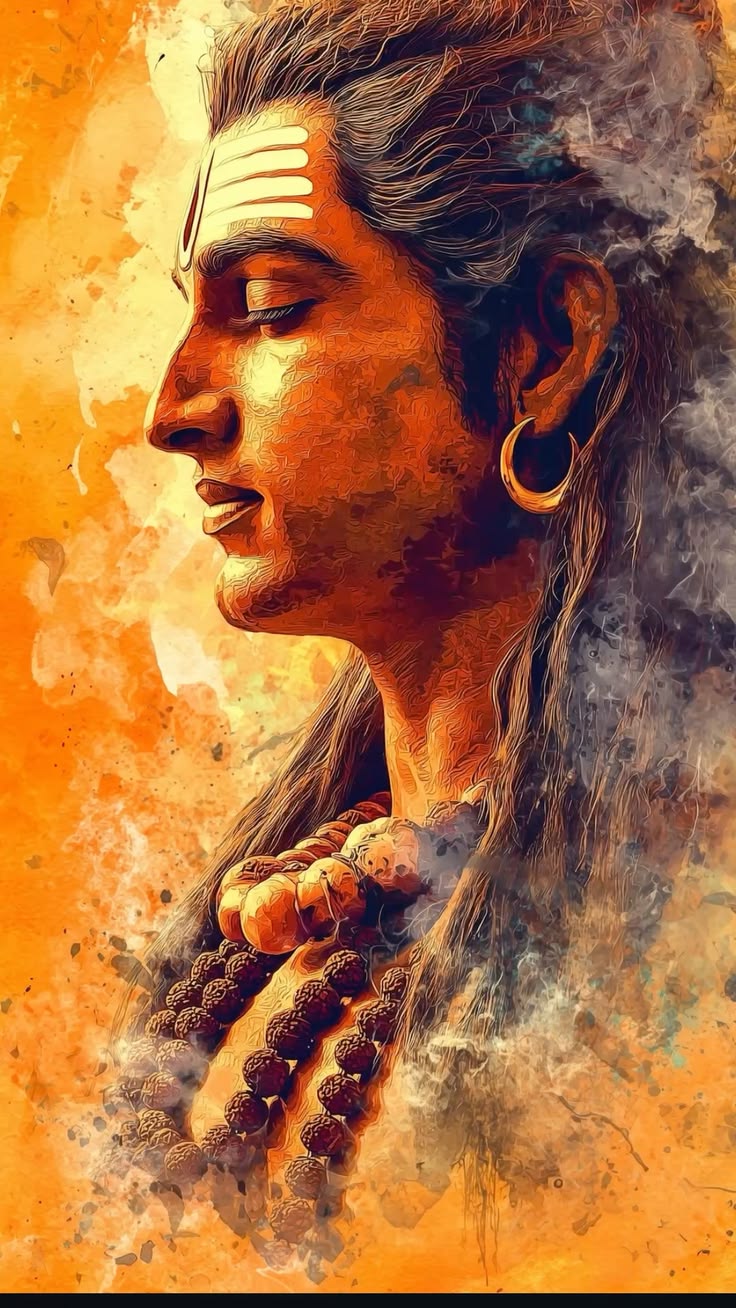
HD Ayyappa Swamy Wallpaper
In the modern era, our digital devices are no longer just tools; they are extensions of our personal environments. We interact with smartphones, tablets, laptops, and desktop computers thousands of times each day. The average smartphone user unlocks their device over 150 times daily. Every single one of those interactions begins with a visual anchor: the lock screen and the home screen wallpaper.
Choosing a visual background is an act of digital curation. When an individual selects an image—whether it represents a spiritual deity, a serene landscape, an abstract geometric pattern, or a vibrant piece of digital art—they are consciously or subconsciously choosing the emotional tone of their digital environment. A wallpaper acts as a visual palette cleanser. In the midst of micro-stresses, chaotic notification feeds, and demanding digital workflows, a well-chosen background offers a momentary retreat for the eyes and the mind.
The human brain processes visual information significantly faster than text. Visual stimuli trigger immediate emotional and psychological responses based on color theory, composition, and personal symbolism.
The transition from generic, out-of-the-box system wallpapers to custom, high-definition digital art reflects a universal human desire for personalization. Just as we decorate our physical living spaces with paintings, photographs, and decor, our digital spaces demand identical consideration.
No. Static wallpapers do not cause noticeable battery drain. The image file is loaded into your system's RAM upon booting or changing the background, requiring virtually zero processing power to remain displayed. Only live, animated wallpapers that constantly run background rendering cycles impact battery longevity. In fact, if your device features an OLED or AMOLED screen, applying a dark background can actually conserve battery power, as these displays turn off pixels completely to render true blacks.
Resolution refers to the total count of individual pixels making up an image, written as width times height (such as 1920x1080). Aspect ratio represents the proportional relationship between that width and height, simplified into ratios like 16:9 for widescreen displays or 4:3 for classic tablets. A wallpaper can have the correct aspect ratio but still look blurry if its base resolution is too low for the screen it's being displayed on.
To maintain pristine clarity, always download the original, uncompressed high-resolution source file. Avoid using low-res preview thumbnails or taking quick screenshots, as these compression methods strip out essential pixel data. Always check that the pixel dimensions of your chosen file match or exceed the native pixel resolution of your device's display hardware.
While you can crop a horizontal image to fit a vertical mobile display, it often leaves you with an awkward composition. Cropping forces you to lose up to 60% of the original canvas area on the left and right sides. For the best visual look, it is always recommended to download artwork specifically tailored to your screen's orientation. Choose native vertical assets for mobile phones, and horizontal layouts for desktop monitors.
There are no strict rules, but updating your digital workspace can be a great productivity reset. Many users refresh their backgrounds seasonally, monthly, or during major cultural festivals and personal milestones to keep their environment feeling current. Swapping out old backgrounds for fresh visuals is a quick, easy way to revitalize a monotonous workspace and keep your daily routine feeling inspired.
Your desktop or mobile background is a subtle reflection of your internal state, your aspirational goals, or your current aesthetic preferences. By intentionally curating these spaces with premium-grade visuals, you transform a cold, mass-produced electronic device into an intimate, personalized portal.
Full HD, widely known as 1080p, represents the baseline standard for crisp, professional-grade digital displays. At 1920x1080 pixels for horizontal monitors, or 1080x1920 for vertical smartphone layouts, FHD delivers over two million individual pixels of visual data.
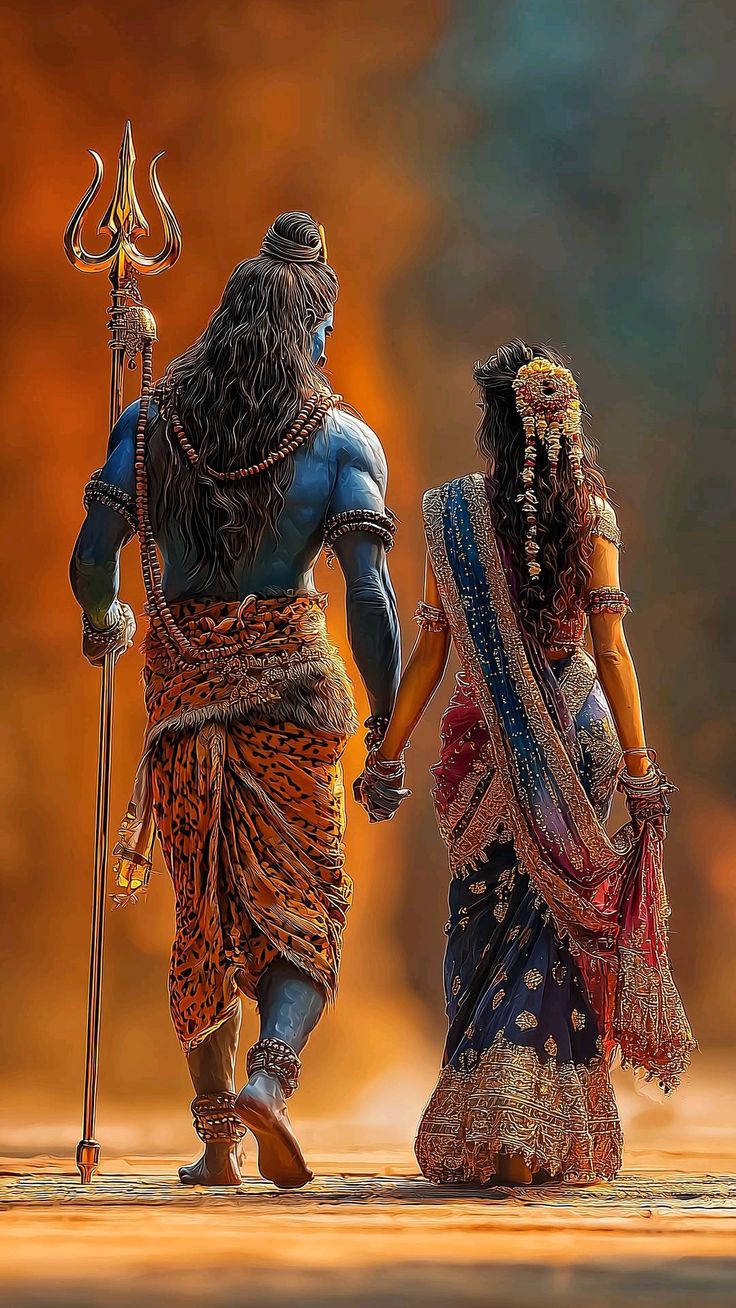
This pixel density ensures that fine details—such as the subtle textures of a digital brushstroke, the intricate jewelry of a sacred deity illustration, or the delicate gradient of an atmospheric sunset—remain sharp and clear. When scaled onto modern high-DPI (Dots Per Inch) screens, premium FHD assets utilize sophisticated software interpolation to remain stunningly vibrant without putting an unnecessary storage or processing burden on your operating system.
A premium digital art repository must balance high-fidelity rendering with optimized delivery file sizes.
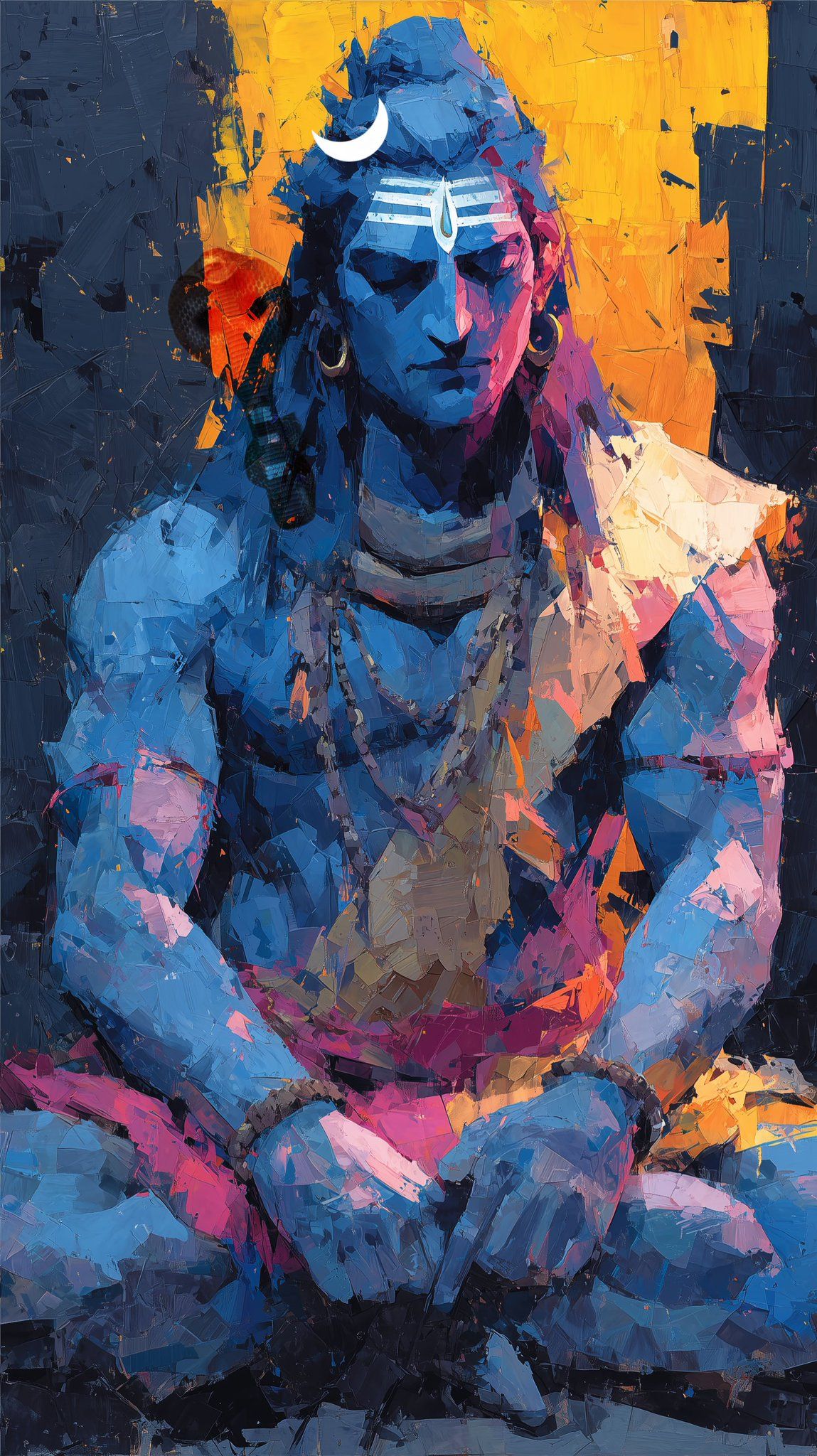
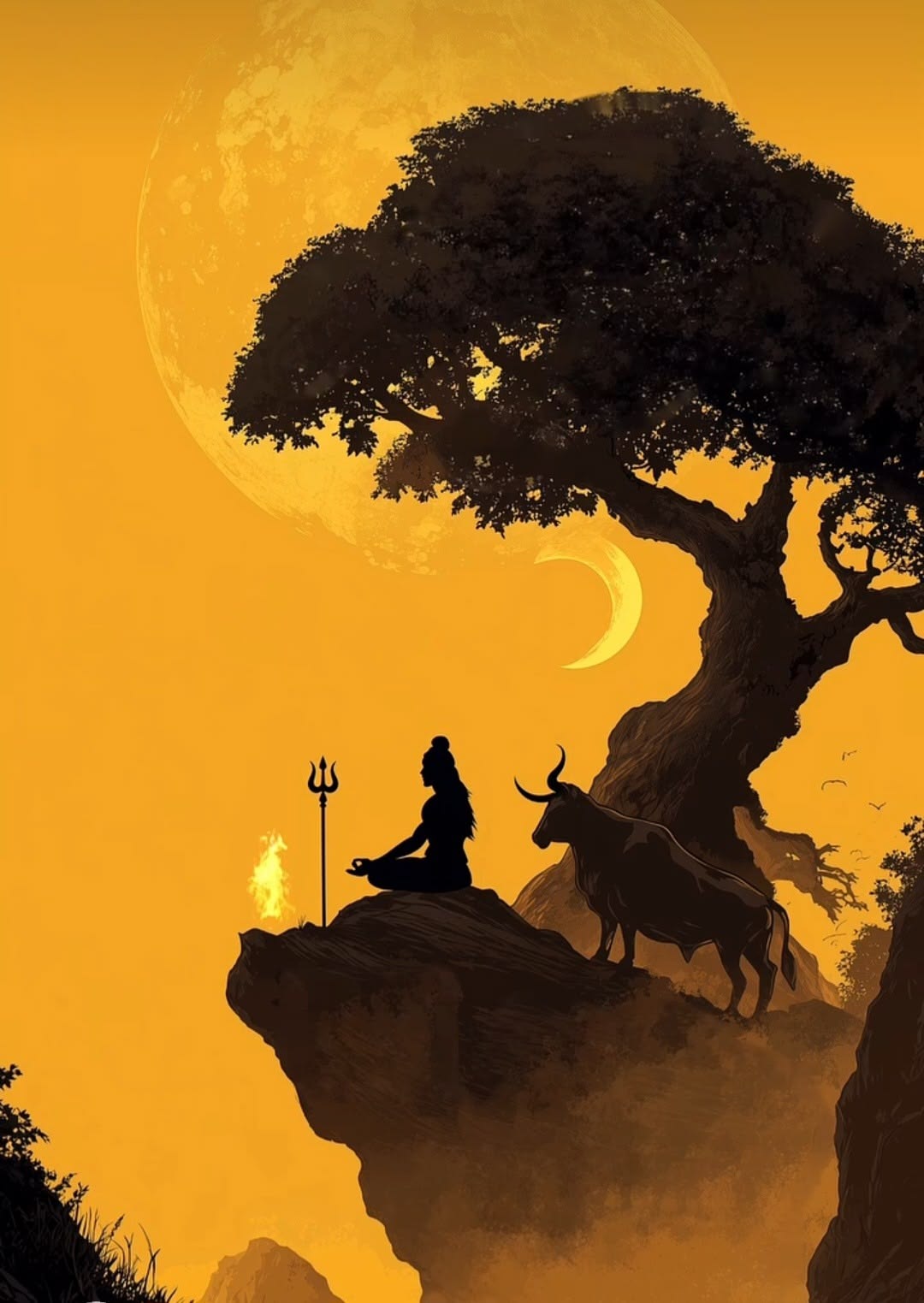
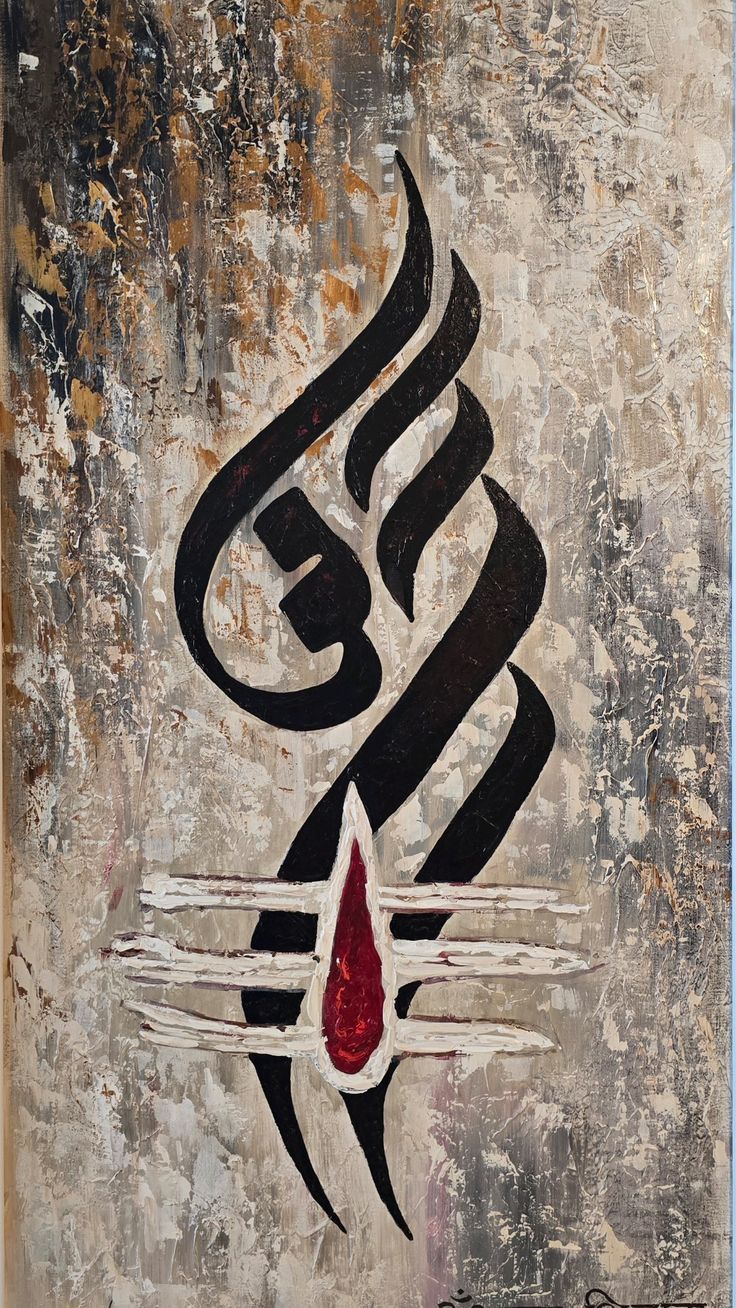
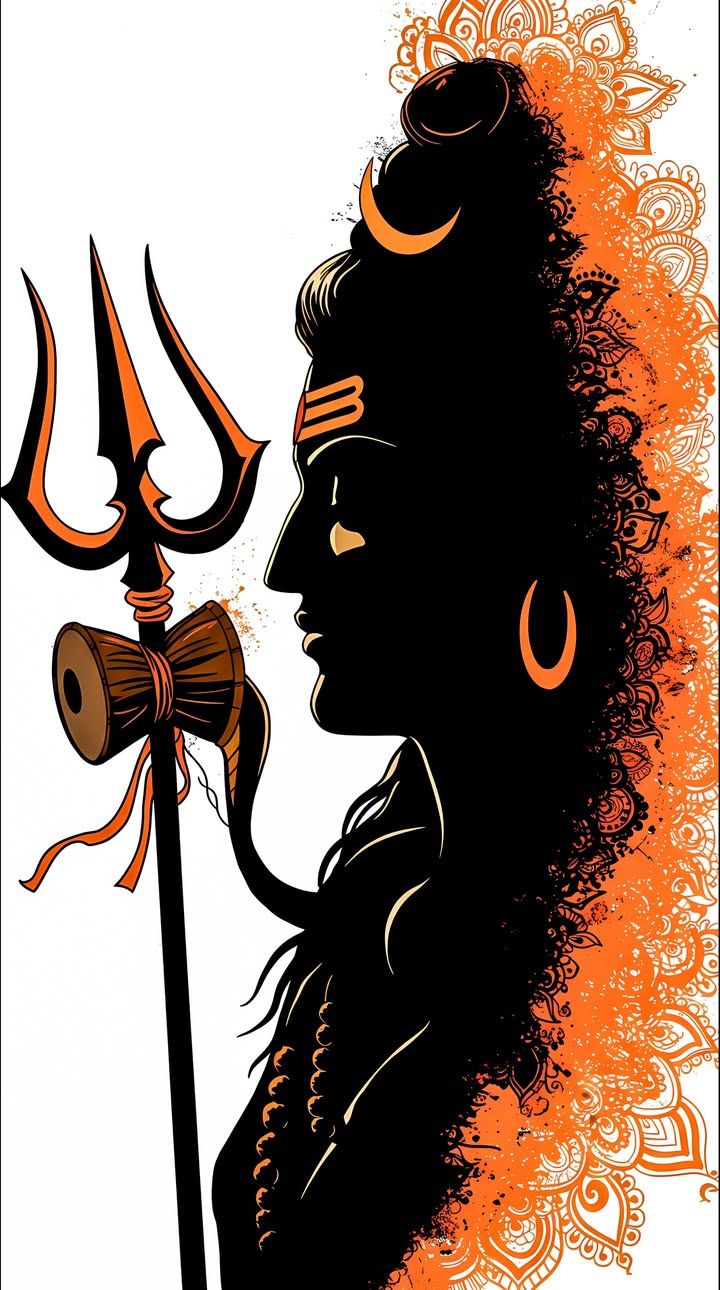
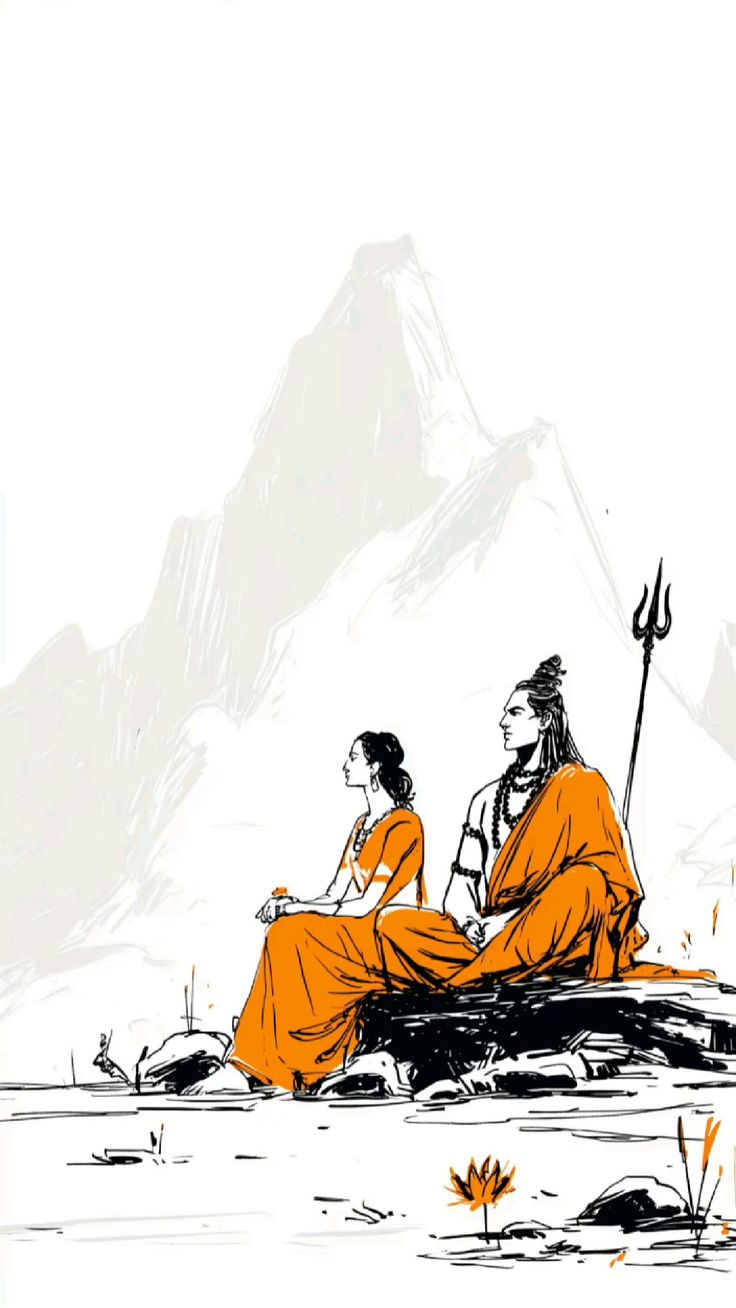
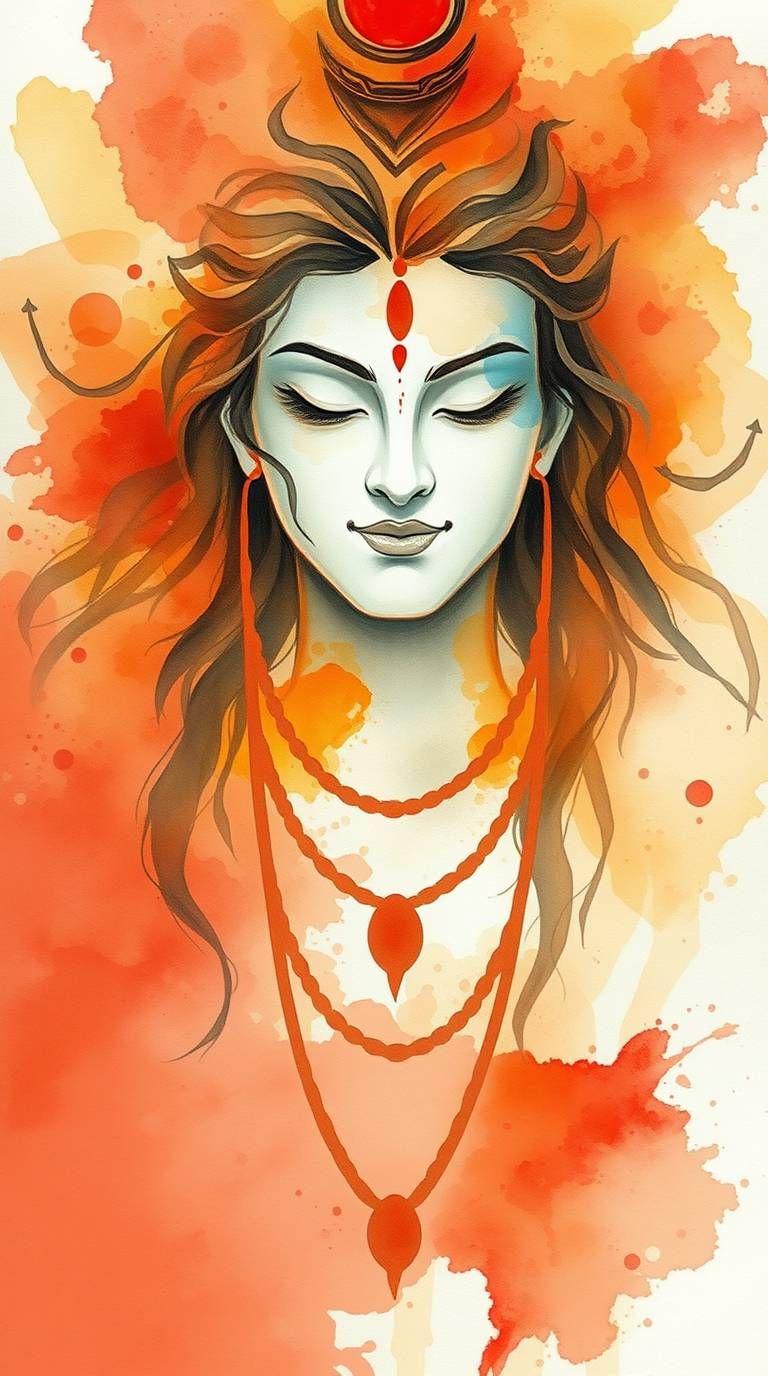
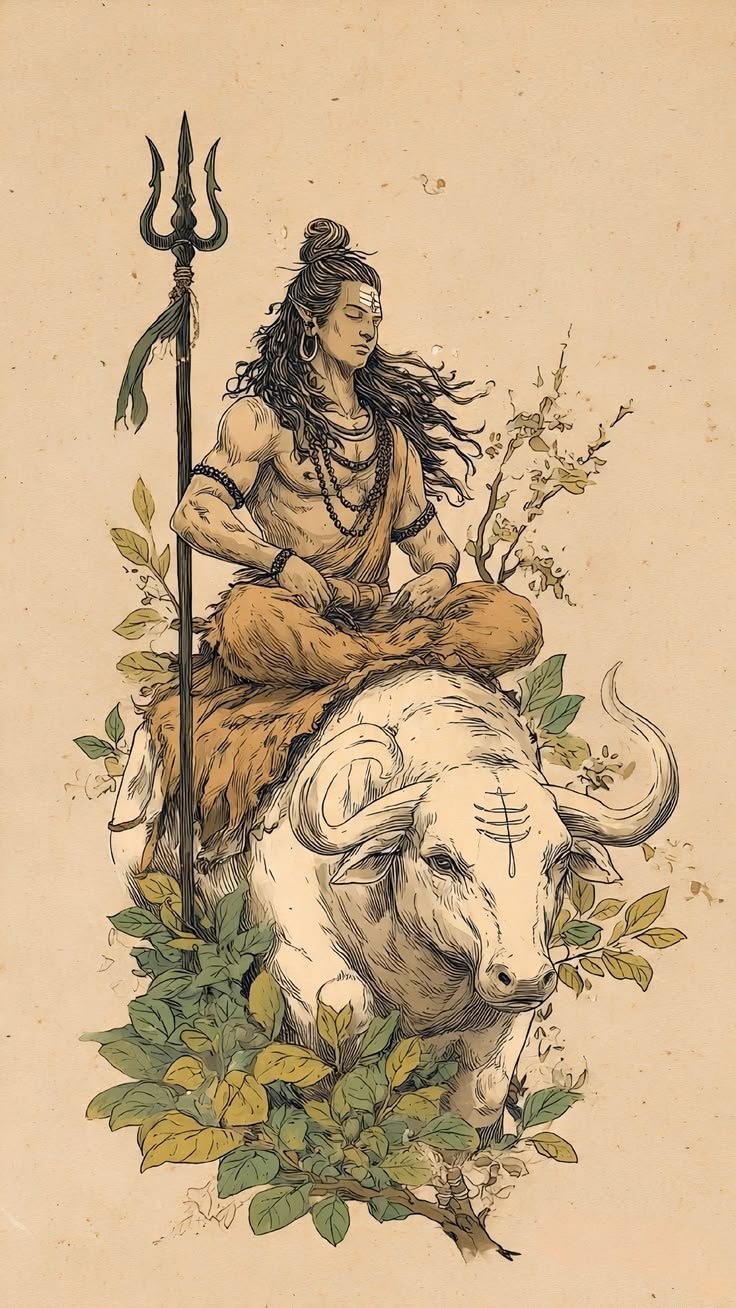
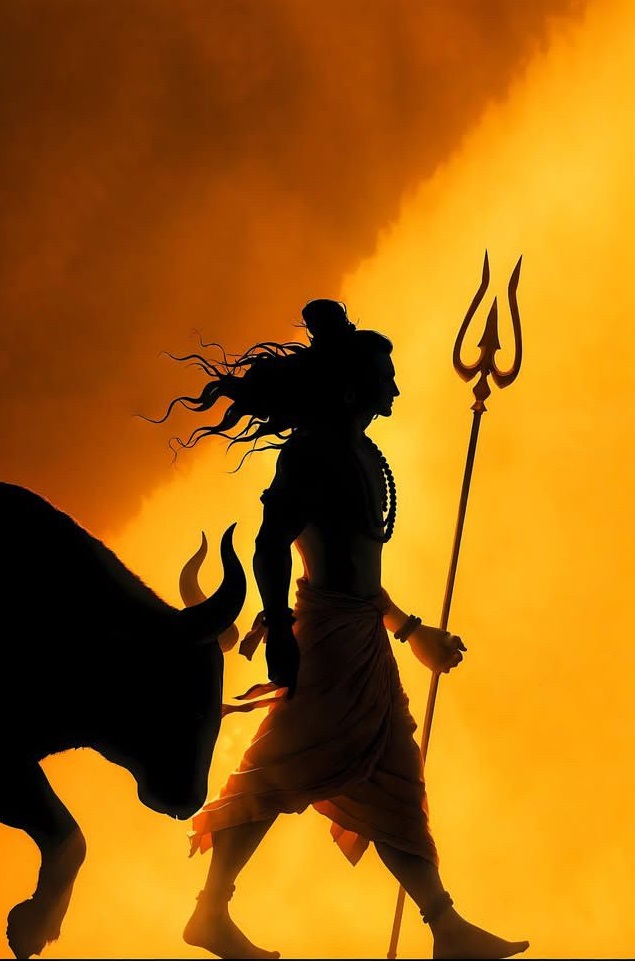
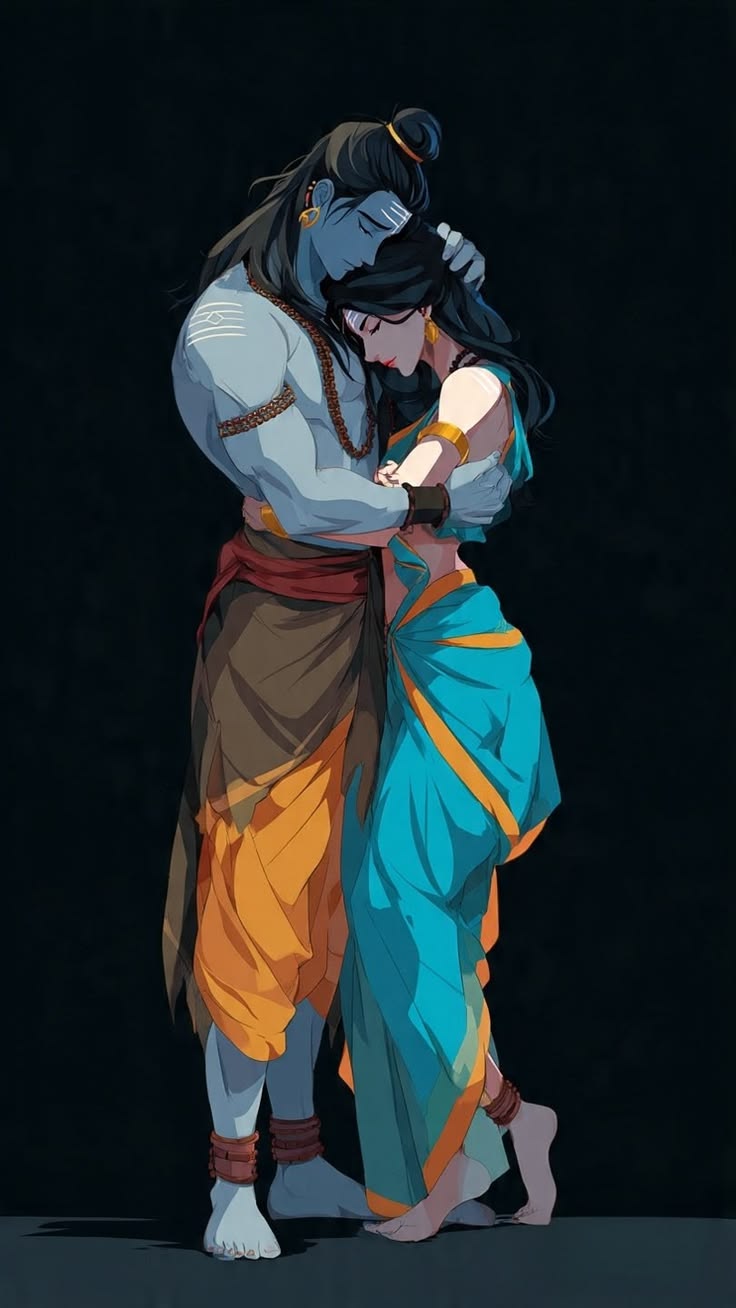
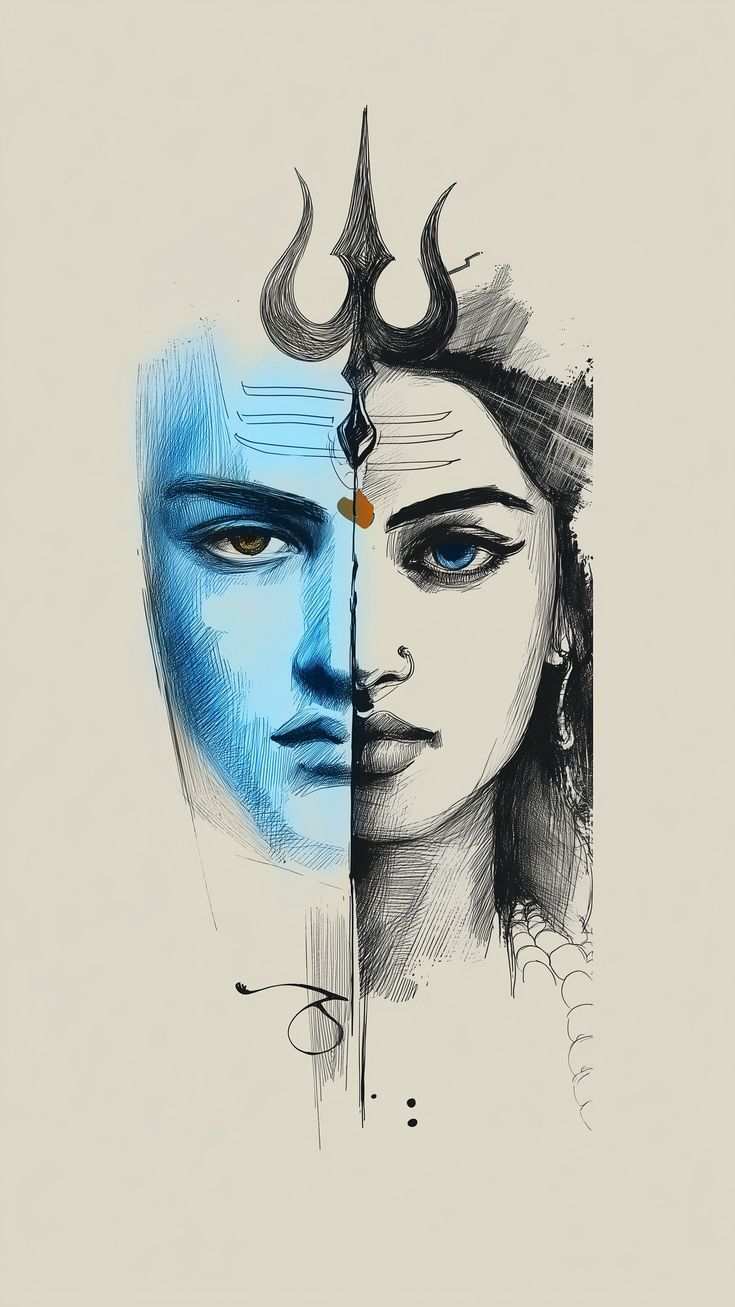
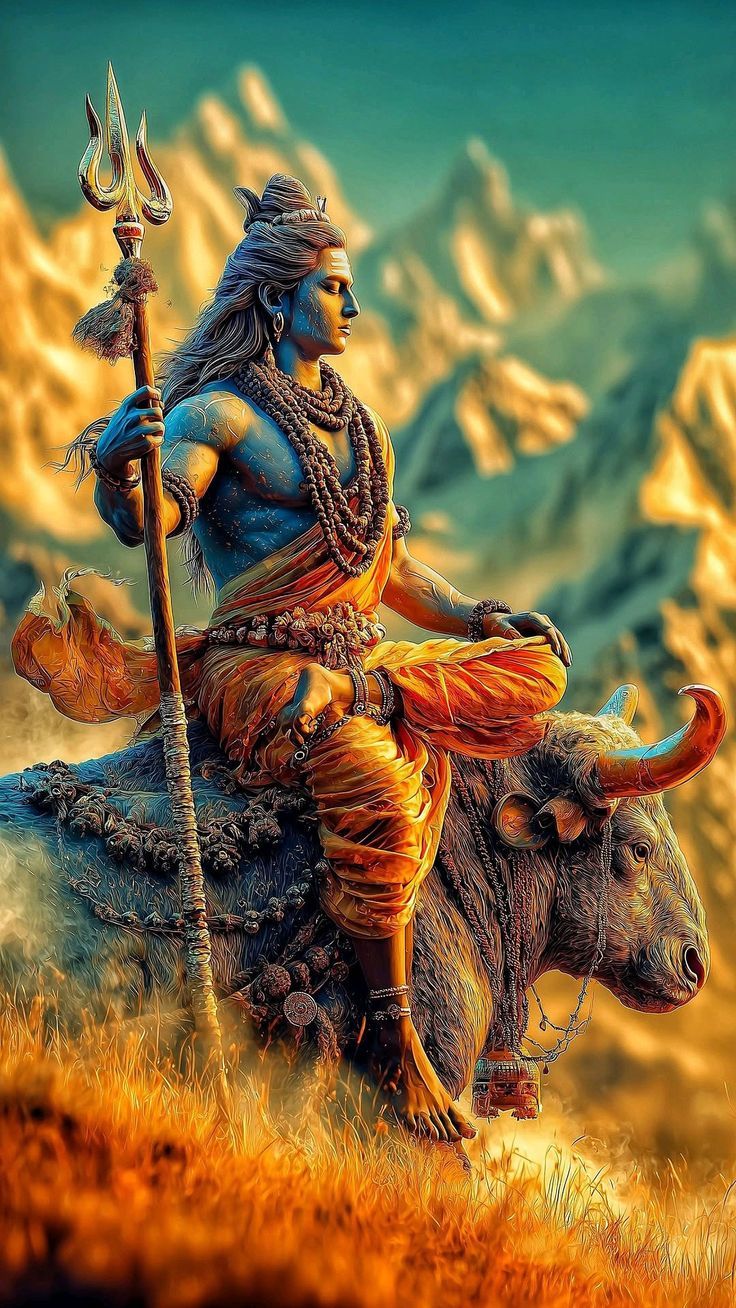
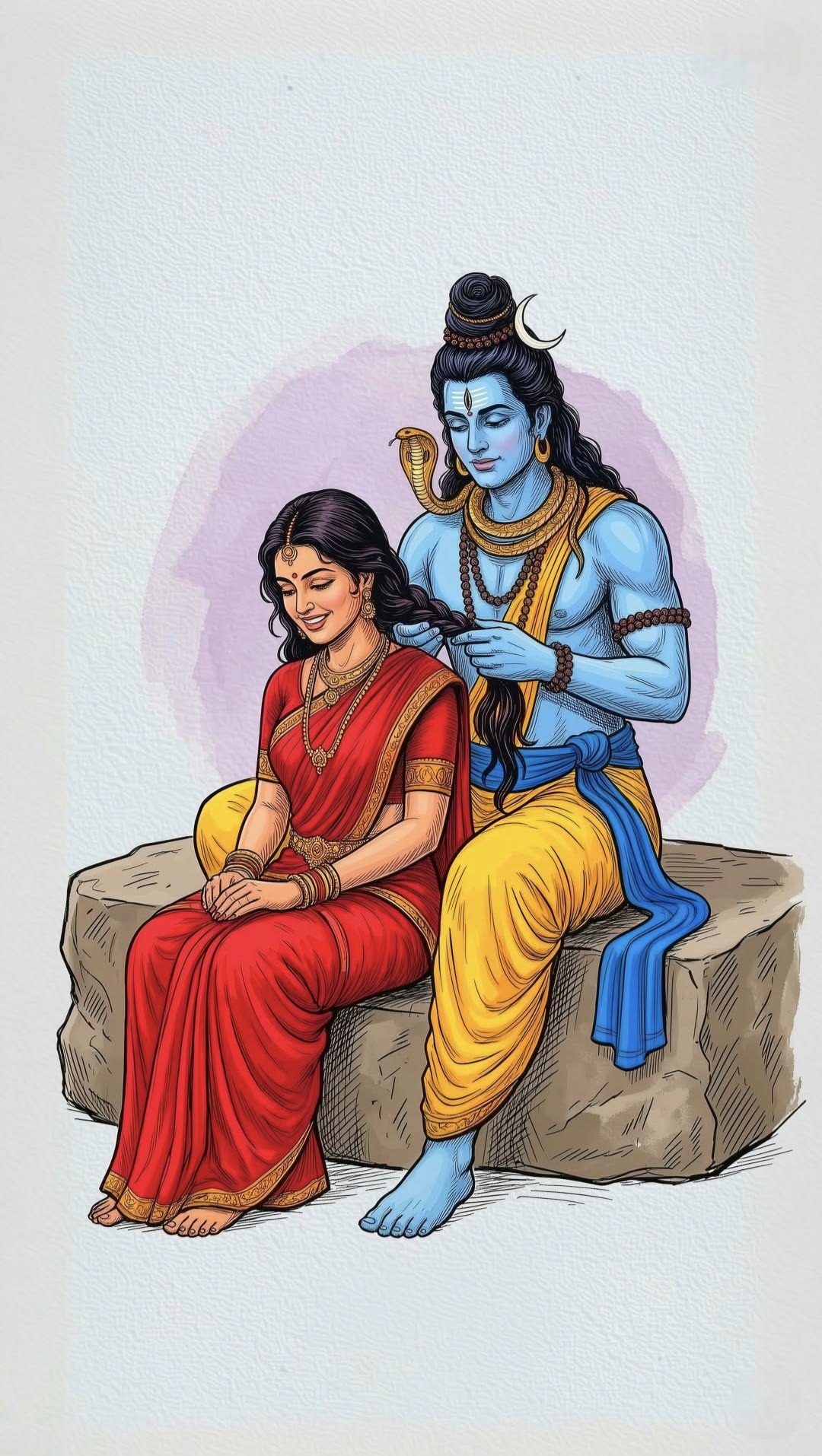
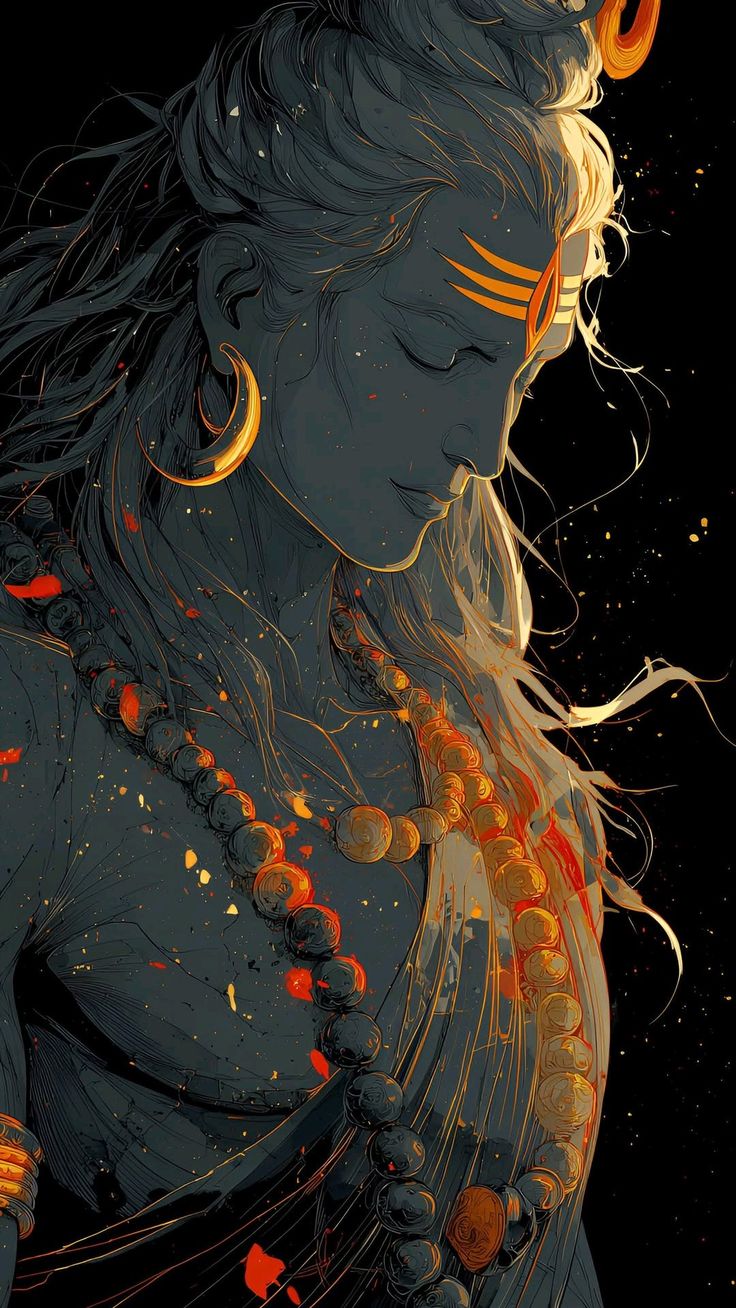
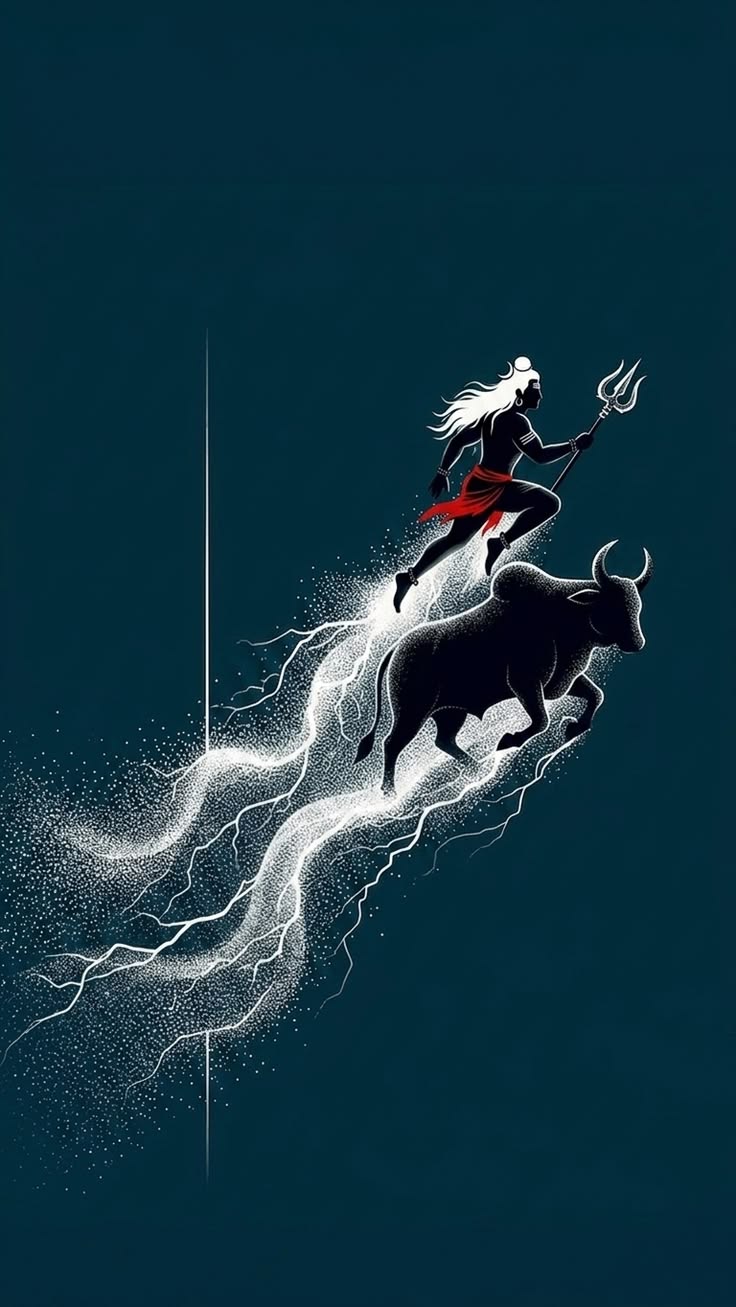
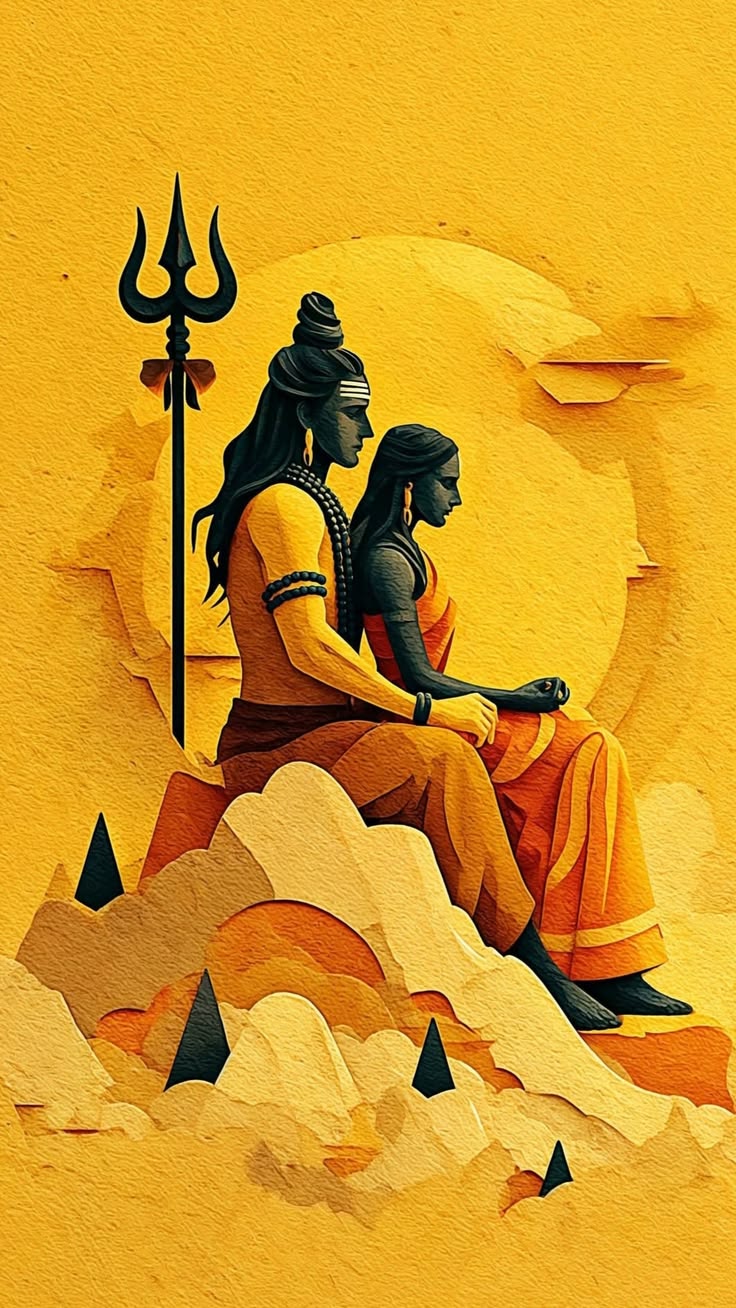
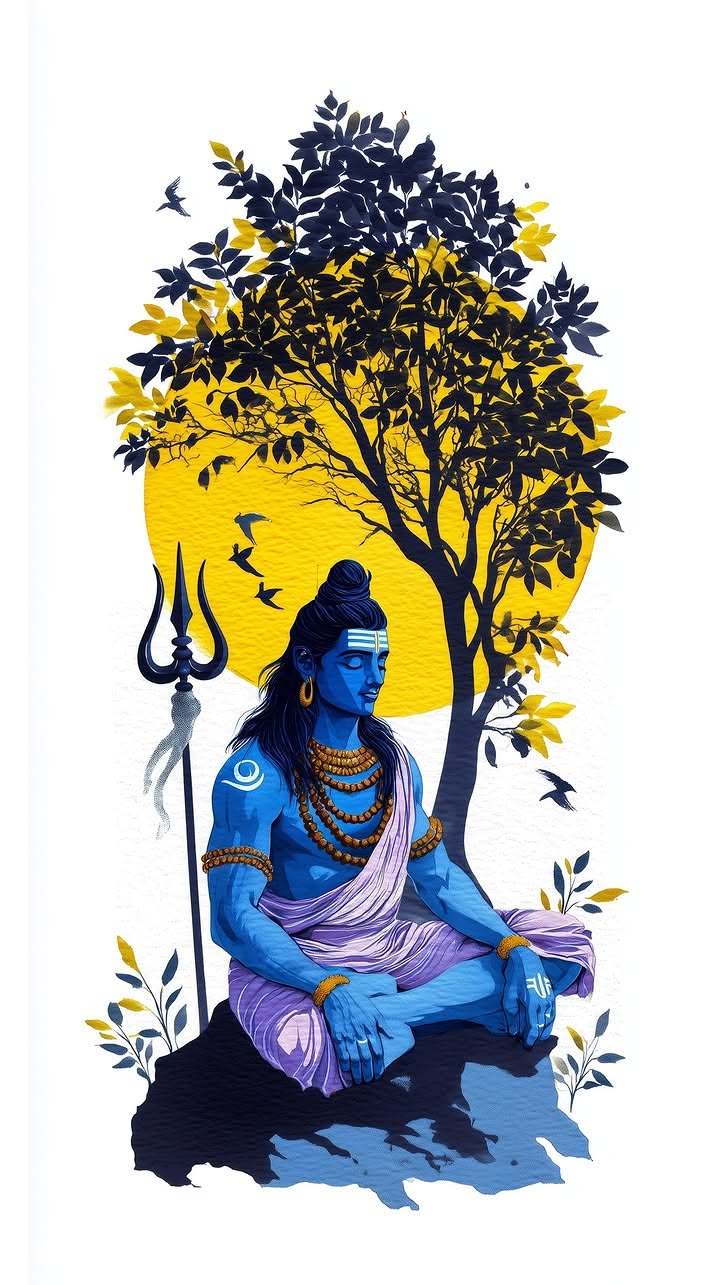
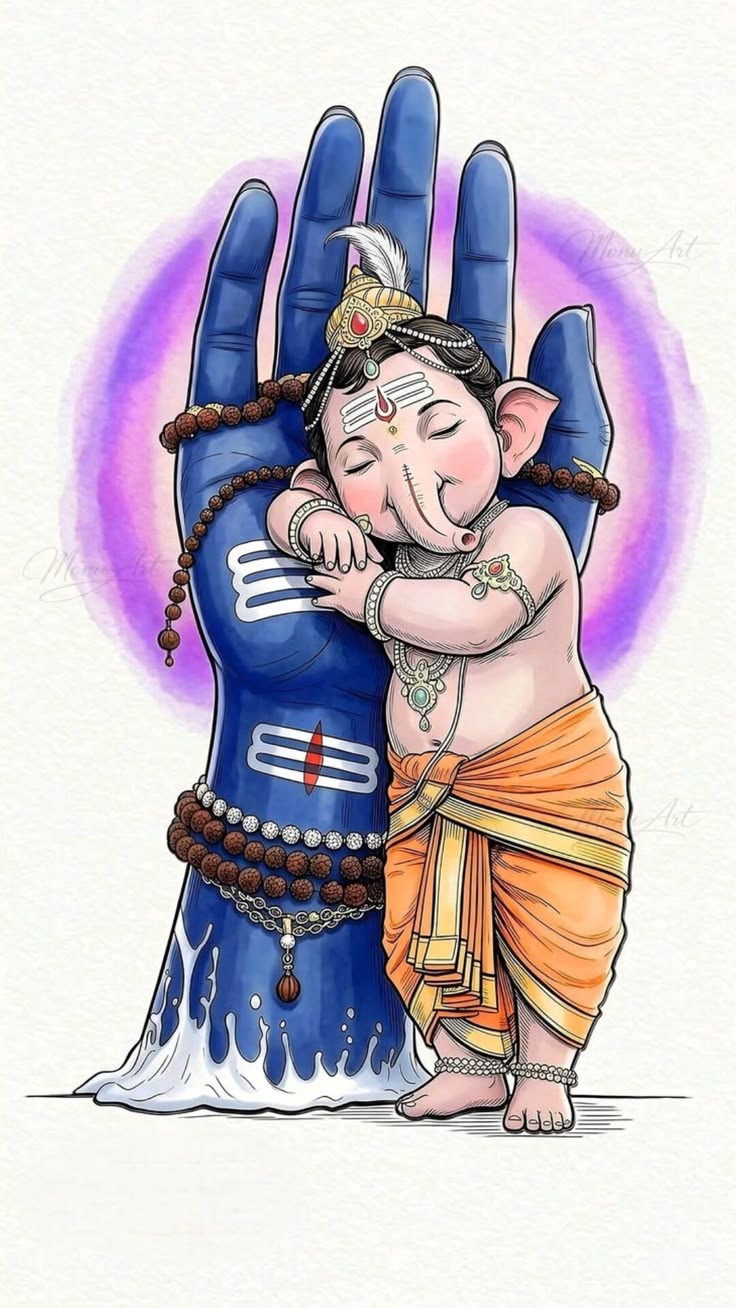
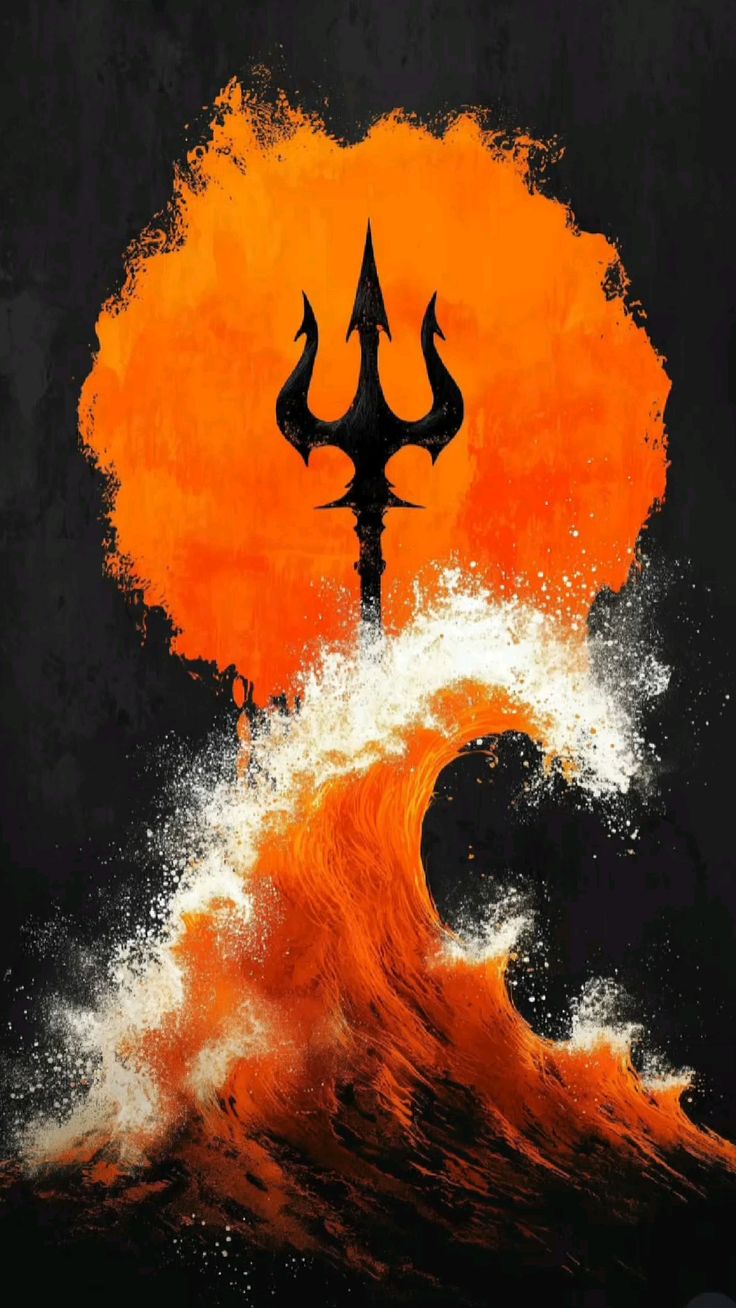
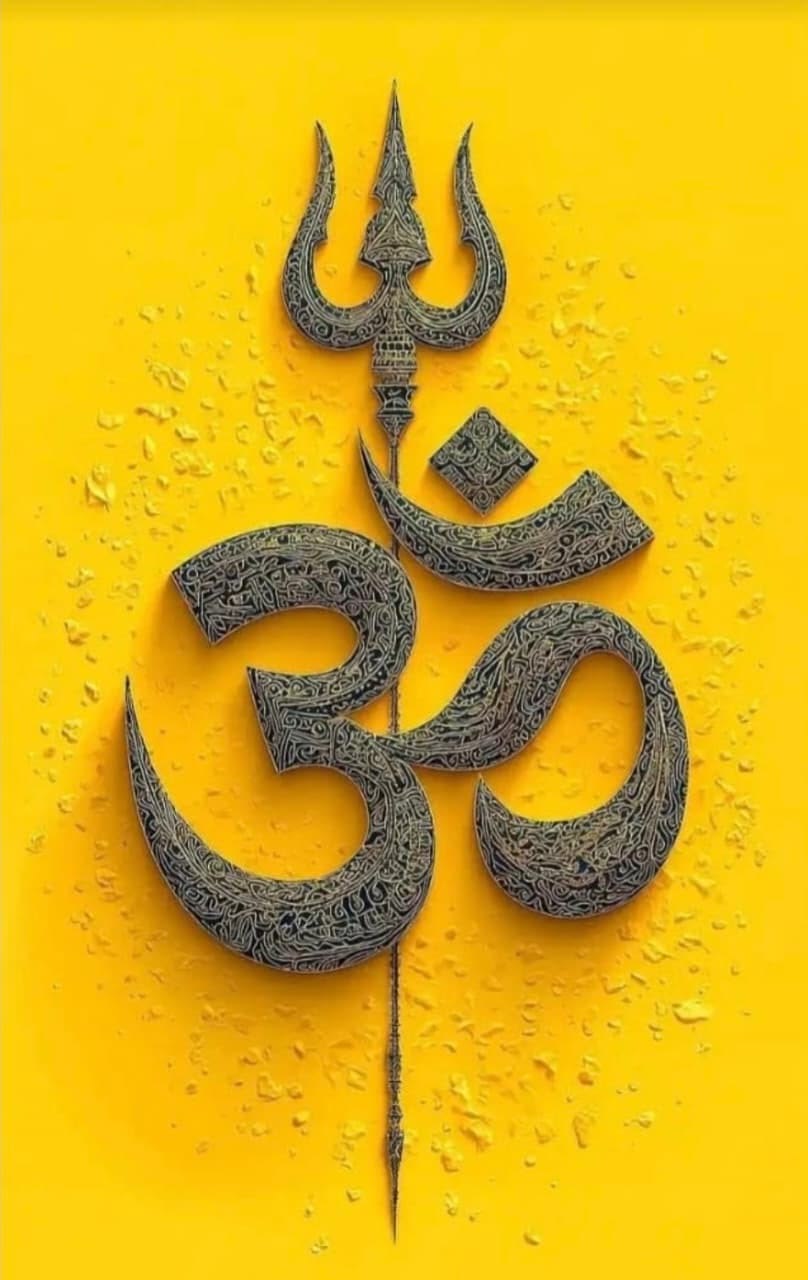
Images dedicated to spiritual motifs, sacred geometries, and divine figures like [Wallpaper Theme/Category] hold a unique place in digital personalization. These files serve a dual purpose: aesthetic enrichment and spiritual grounding.
When configuring a background with traditional iconographies, digital artists focus deeply on proportional alignment, color symbolism, and lighting effects. The presence of traditional symbols on high-resolution displays acts as a focal point for daily mindfulness, meditation breaks, and cognitive clarity amid a fast-paced work or study routine.
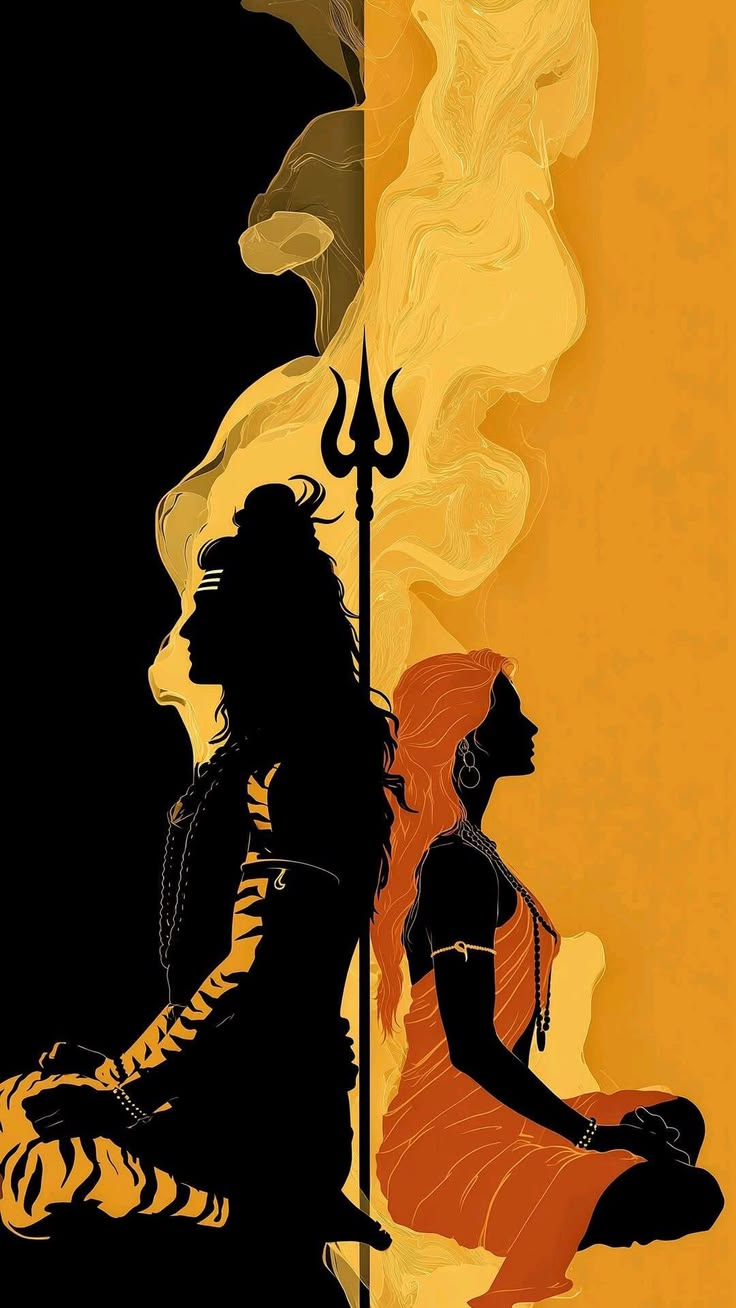
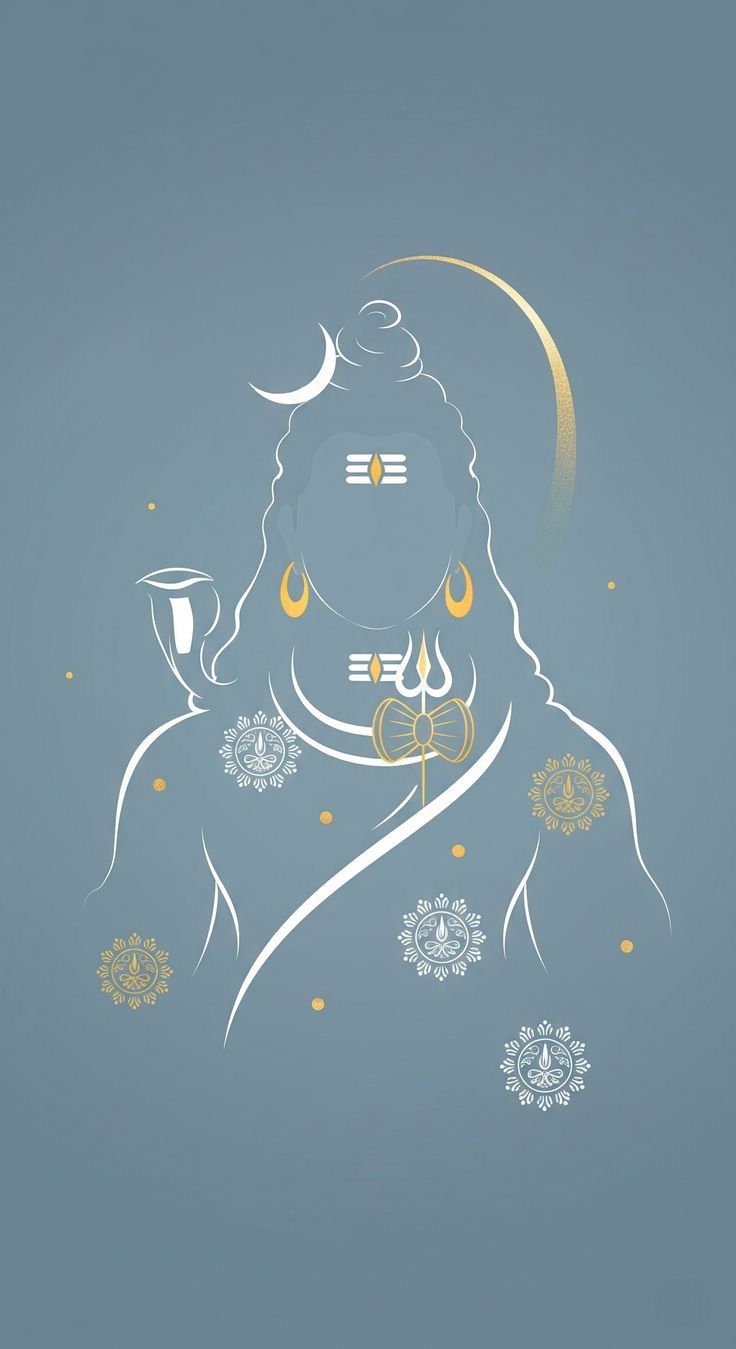
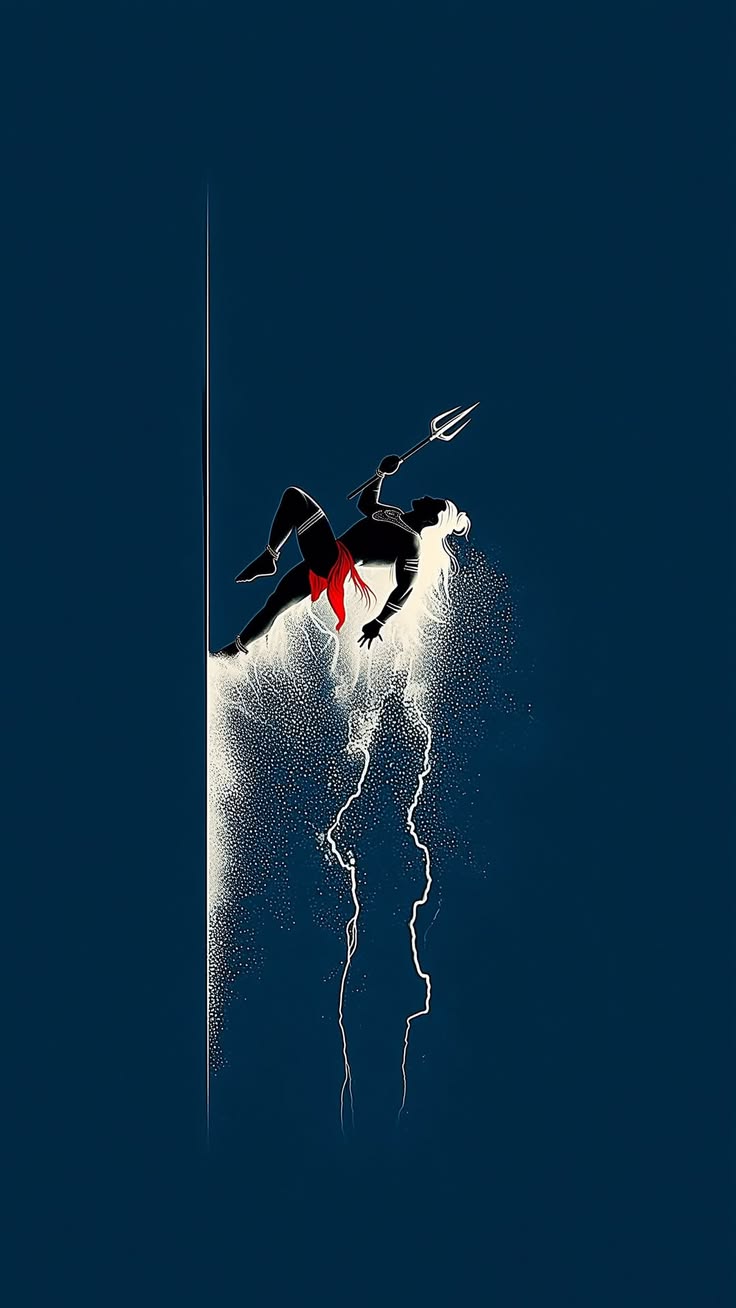
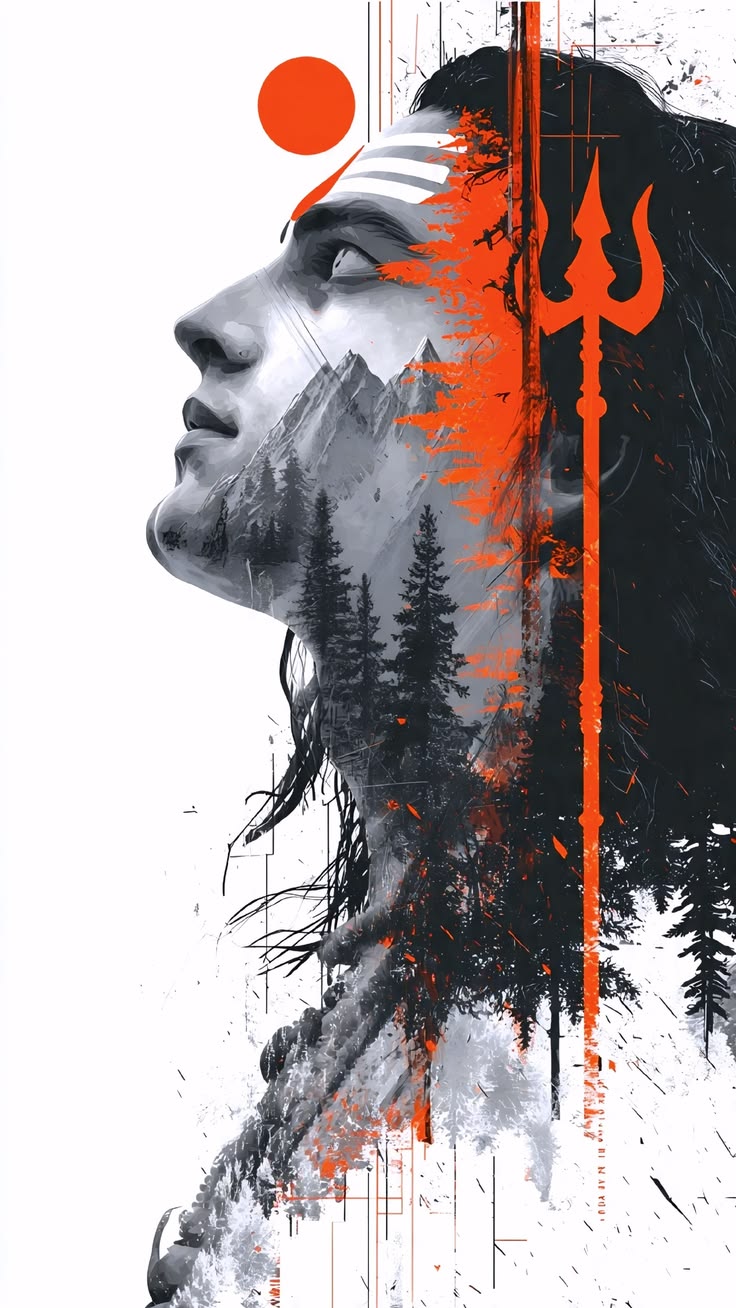
Minimalism focuses on the profound concept of less is more. These styles strip away chaotic elements, leaving clean vector paths, vast negative spaces, subtle shadows, and intentional monochromatic or dual-tone palettes.
Bringing the natural world indoors via digital screens is one of the most effective methods to combat screen-induced fatigue. High-definition images of foggy mountain ridgelines, deep forest canopies, crashing ocean shorelines, or vast nebulae stretching across deep space provide a powerful psychological escape. These environments utilize natural greens, deep ocean blues, and atmospheric earth tones to establish a calm, deeply restorative visual environment.
For users who love high-energy, futuristic styles, the digital art subcategories offer rich neon color combinations, synthwave grids, and futuristic cyberpunk cityscapes. These graphics leverage heavy contrasts—juxtaposing deep blacks with hot pinks, electric blues, and toxic greens—to turn your desktop or smartphone into a vibrant, cutting-edge statement piece.
Smartphones require vertical orientations with specific structural considerations due to on-screen user interface elements.
Desktop environments present wide horizontal canvases where apps and folders typically sit on the left or right margins.
Tablets represent an interesting technical challenge because they frequently rotate between portrait and landscape orientations. A premium tablet graphic needs a flexible, square-leaning or carefully centered configuration so that when the device rotates, the core visual asset remains perfectly framed without cutting off essential details.
The dominant hues of your digital background play a subtle yet persistent role in your cognitive load and focus levels. Choosing a palette is more than an aesthetic preference; it's a way to tune your workspace ergonomics.
An overlooked aspect of digital health is desktop organization. When an image is overly busy, packed with hundreds of conflicting focal points, it creates visual friction. Your brain must expend micro-bursts of energy filtering out the background noise just to find a file shortcut or read a menu option.
High-quality wallpapers are carefully composed to leave structural windows—open spaces where icons can sit cleanly without obscuring the central masterpiece. This intentional design element helps you maintain an organized, highly productive digital space.
The history of digital backgrounds reflects our rapid evolution in display tech. In the early days of personal computing, displays were constrained to basic 8-bit color palettes and tiny pixel grids. Wallpapers were simple, tiled texture blocks meant to conserve processing memory.
As liquid crystal displays (LCDs), organic light-emitting diodes (OLEDs), and retina displays advanced, our demands shifted dramatically. Today's users look for rich, complex digital paintings, intricate vector configurations, and highly stylized renders that treat the device screen like a gallery frame.
Modern personalization extends far beyond a standalone lock screen image. Users now design entire cohesive themes. This involves matching your mobile wallpaper with custom icon packs, system widgets, keyboard interfaces, and even phone cases.
On desktop computers, this theme-driven approach means syncing your monitor background with your RGB computer case lighting, peripheral keyboards, and smart room accents. A unified theme turns your workspace into an immersive, highly curated aesthetic statement.
Downloading your favorite wallpaper is quick and easy. Simply browse our collection, select the wallpaper you like, and click the Download button. Your wallpaper will be downloaded instantly in high quality—no login, registration, or account creation required.
Enjoy free and hassle-free wallpaper downloads for your desktop, mobile, tablet, and other devices. Find the perfect wallpaper and download it in just one click.